The Hidden Struggle: Why Men Suffer in Silence with Dr. Whitney Wright
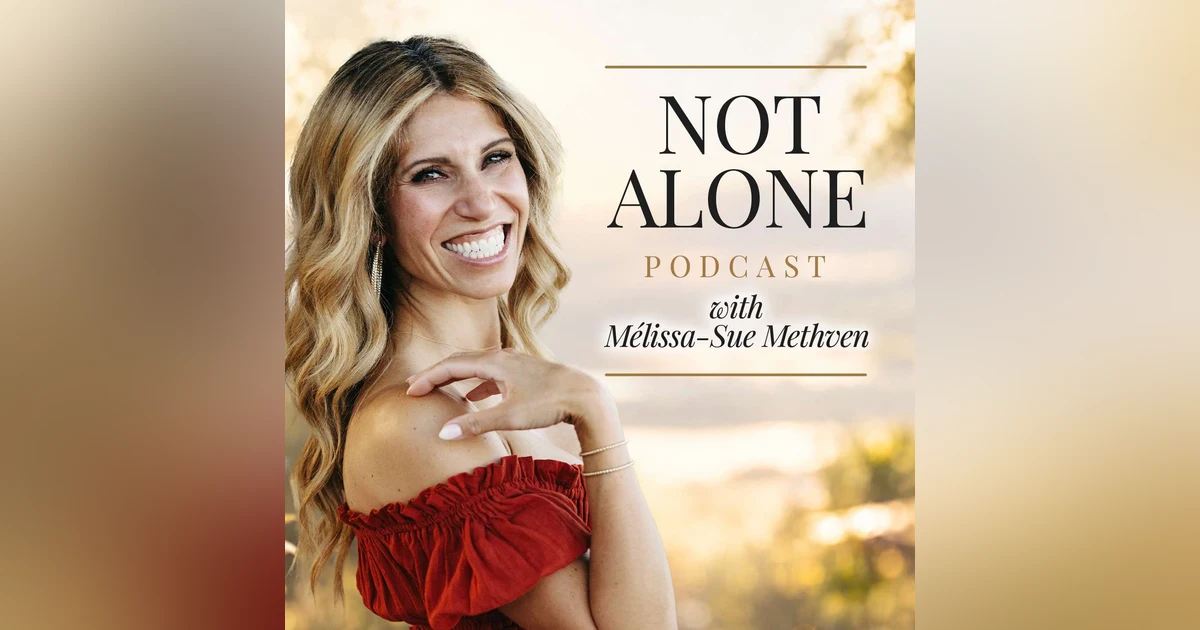

Send us Fan Mail What if the strongest, most successful person in the room is the one working hardest not to feel? Mélissa sits down with Dr. Whitney Wright, orthodontist, entrepreneur, and author of Men Under Pressure, to talk about childhood trauma, addiction, and men’s mental health, and what was happening beneath years of outward success. They discuss the panic attack that forced Whitney to stop, how childhood shame fueled his drive to achieve, and why trauma sits at the root of so many a...


What if the strongest, most successful person in the room is the one working hardest not to feel?
Mélissa sits down with Dr. Whitney Wright, orthodontist, entrepreneur, and author of Men Under Pressure, to talk about childhood trauma, addiction, and men’s mental health, and what was happening beneath years of outward success.
They discuss the panic attack that forced Whitney to stop, how childhood shame fueled his drive to achieve, and why trauma sits at the root of so many addictions. Whitney also shares how EMDR and inner child work brought him peace, and how men can start by telling one safe person, while Mélissa reflects on breathwork and why walking into rehab deserves pride, not shame.
If you or a man you love is carrying more than he shows, this conversation is for you. Subscribe, share it with someone who needs a safe place to start, and leave a review with one person you are ready to tell.
ABOUT DR. WHITNEY WRIGHT
Whitney Wright spent years building what looked, from the outside, like an enviable career. As the founding orthodontist and a former executive at Risas Dental & Braces, he helped grow the organization across four states. Behind that success, Whitney was quietly battling severe anxiety, depression, PTSD, and panic attacks, the kind of private struggle that high-responsibility, high-performing people are especially good at hiding. Stepping away from that career began a long recovery. Today, Whitney speaks and writes about what he learned the hard way: that the earlier you tell someone, the more choices you have. His mission is to help other men recognize the cost of silence before it costs them everything, their health, their relationships, or their lives. Whitney is the author of Men Under Pressure, and speaks to organizations, teams, and communities on burnout, perfectionism, resilience, and men’s mental health.
Connect with Dr. Whitney Wright:
Website: https://www.drwhitneywright.com/
Men Under Pressure: https://menunderpressure.com/
LinkedIn: https://www.linkedin.com/in/drwhitneywright/
Facebook: https://www.facebook.com/whitney.wright.536760
Instagram: https://www.instagram.com/dr.whitneywright/
TikTok: https://www.tiktok.com/@dr.whitneywright
YouTube: https://www.youtube.com/@dr.whitneywright
Listen to The Whitney Wright Show:
Apple Podcasts: https://podcasts.apple.com/podcast/id6802790660
ABOUT THE PODCAST
“Not So Alone” podcast is a space for real talk and collective healing. Here, you’ll find honest conversations with people who’ve walked through life’s hardest moments and kept going. Every episode is a reminder that you’re not alone, that hope is real, and that speaking up is the first step toward healing.
Follow me on socials for bonus clips, sneak peeks, and all the fun stuff
Website: https://www.melissamethven.com/
Calm the Chair. Change the Experience.: https://calmchair.life/
Facebook: https://www.facebook.com/tremblaymel
LinkedIn: https://www.linkedin.com/in/melissa-sue-methven-a92b572aa/
Instagram: https://www.instagram.com/melissamethven/
Pinterest: https://www.pinterest.com/NotAlonePodcast/
Check out our site for show notes, guest links, and more: https://www.podpage.com/not-alone-with-melissa-sue-methven/episodes/
Partners & Resources
I’m grateful to partner with companies that align with my mission of supporting whole-body wellness, prevention, nervous system health, and a healthier dental community. Some of the links below are affiliate or ambassador links, which means I may receive a commission at no additional cost to you.
HYDRO+ | Hydrogen Water
Support your health from the water you drink every day. My community receives 5% off with code MELISSAHYDRO+
https://tuhwater.com/?utm_campaign=melissa&utm_source=shareable_link
PRAHSYS | Supporting Healthier Dental Practices
PRAHSYS helps dental practices explore opportunities to reduce financial pressure and strengthen the health of their business.
I’m proud to serve as a PRAHSYS Ambassador. For information or to be personally connected with the PRAHSYS team, contact me at: Hello@calmchair.life
ZenBud | Wellness Support
Explore ZenBud through my partner link: https://zenbud.health/melissamethven22
THERASAGE | Wellness Technology
TheraSage offers wellness technology designed to support relaxation, recovery, and whole-body wellness, including infrared, red light, PEMF, and other at-home wellness tools.
Shop through my affiliate link and use code GRATITUDE22: https://therasage.com/discount/GRATITUDE22?rfsn=9048118.63d93a&utm_source=refersion&utm_medium=affiliate&utm_campaign=9048118.63d93a
I am a very successful entrepreneur. I'm an orthodontist, highly educated husband of 23 years, kids. By all intents and purposes, I was the ideal person, or husband, or father, or businessman. On the inside, I couldn't have been more broken. And one of the things that occurred to me was I've often heard parents say I would die for my children. And yes, that's a noble sentiment. But the real question is will you live for your children? Will you heal for your children? And I decided that yes, I would not only live, but I would heal. And I would do whatever it took to get Whitney back.
SPEAKER_01Welcome back to Not Alone. Today's conversation is when I believe so many high-achieving men, and honestly, so many of us need to hear. Because sometimes the person who looks the strongest, the most productive, the most successful is actually the person working the hardest not to feel. My guest today is Dr. Whitney Wright, orthodontist, entrepreneur, and author of Men Under Pressure. But today I don't want to focus only on what Whitney has accomplished. I want to talk about what was happening underneath it all. Whitney has openly shared his story of childhood sexual abuse, addiction, ADHD, debilitating panic attacks, anxiety, depression, faith, and ultimately the journey of going beneath the symptoms to understand the root. Because we can spend our entire lives treating symptoms while the little boy or the little girl inside of us is still carrying something that was never for us to hold forever. And sometimes the that younger version of us is still running the show, choosing our relationships, driving our need to achieve, keeping us constantly busy, and finding ways to numb what our nervous system doesn't yet feel safe enough to feel. Whitney's story asks a powerful question. What if the thing you're trying desperately to get rid of isn't the problem, but a clue pointing you toward what actually needs healing? Whitney, welcome to Not Lalone.
SPEAKER_00Well, I said, thank you so much. Could not be more grateful to be here. This is wonderful.
SPEAKER_01Yeah, I think we're definitely aligned in a lot of our calling. And when I read your book, Amanda Under Pressure, I saw my husband. I saw so many men. Actually, for me, you know, of course, in the dental industry, all the conferences that we would go, I saw this so much, all this pain. And I now see this actually with clients of mine that I work with for breath work.
SPEAKER_00Yeah.
SPEAKER_01I often hear if they're grieving, they're keeping so busy so they don't need to feel. So I see that oftentimes. And that's why I say, well, we need to work on your nervous system so it's ready to feel. We need to slow down, find the space, right? And you talk so openly of the process of healing. It's almost like we need we need to deep dive into the underlayers of our childhood, right?
SPEAKER_00Yeah. And I, when I started my path to healing, which I was forced into essentially, because my body, my mind was shutting down completely. I was having panic attacks basically every day. And my psychiatrist said, Whitney, if you don't stop, the panic attacks will turn into heart attacks. Your body will shut you down. You do need to go and check into a 30-day facility to get better. And so when I started the path to getting better, I had no idea how deep it was going to go and what we were going to uncover and how we were going to handle those different aspects of my past and ultimately how wonderful it would be to be free of the things that were weighing me down and that I didn't even know were there for the most part.
SPEAKER_01Yeah, because you were you were a dentist, a very high-achieving dentist, right? You've had over 27 offices.
SPEAKER_00Yeah, co-founded a company in 2011 here in Arizona. We've now got 27 locations in four different states, over a thousand employees. We've done over a billion dollars in revenues for uh the dental industry and given away 12 million in free dental care. Like it is a big organization. And we started that from nothing. It was bootstrapped and just a couple of partners and a dream. And I worked myself into the ground.
SPEAKER_01Into the ground. Because I remember reading in your book, at one point you are working beside a patient and you literally fall off,
SPEAKER_00right? Yes, my first panic attack. I'm working on a patient, having a good time. I'm just all of the weight that's on me is just always burning in the background. And I'm working on a patient, and I fell out of my chair onto the ground, and I stood up and I'm like, what in the world just happened? And then I fell against the wall. And I came stumbling out of the room, leaning against the wall, absolutely convinced I was having a stroke. And I ended up in the bathroom where I was vomiting uncontrollably, crying uncontrollably. I was on the ground and hyperventilating. And it was my first panic attack. It was the scariest thing I'd ever experienced because I was, I had zero control over what was happening to my body and my brain. It was, I was on for, I was, I was just holding on for dear life. And as a panic attack starts to spool up, what happens is as your adrenaline starts to dump into your body, and then the anxiety and the fear increases, which then increases the panic attack, which then increases the adrenaline and the fear. And it's just a way for your body to absolutely dump all of the nervous energy, anxiety, everything you've been carrying, and take you to baseline, you have no energy left. And sadly, my body discovered that it could do that whenever it wanted to. Wow. So
SPEAKER_01when that happened, what were you getting symptoms were having before? I'm so curious. Like, were you getting
SPEAKER_00I had red flags?
SPEAKER_01Okay. What were the red flags? I
SPEAKER_00I blew right past the red flags, but uh depression. I knew that I was dealing with depression. I had a, I had a fog, like a deep fog on me to where I knew Whitney was in there somehow, somewhere, but I couldn't reach him.
SPEAKER_01And
SPEAKER_00he felt like he was behind glass. And I was trying to get to him, but I couldn't because of the depression. I was having anxiety issues, uh, a lot of um feeling fearful or dread all the time. Uh my body was shutting down. I had adrenal fatigue that was going on because I was just, I was a workaholic. I was in 14 orthodontic practices in five years and did 7,000 starts during that time. I mean, I was a man-possessed. And so adrenal fatigue, I no longer was producing cortisol. I was no longer producing what I needed to. My testosterone was just almost single digits. It was so low. My neurotransmitters weren't working properly, and I have ADHD. And so all of that kind of compounded to make this perfect storm of absolute breakdown, burnout, collapse. And now here I am.
SPEAKER_01Now here you are. And I know all you know, leading up to you said the red flags, and deep down, it was because you were avoiding your childhood, right?
SPEAKER_00I was absolutely running away from what had happened to me when I was younger, but I didn't realize that. I didn't realize that I had become a workaholic due to my deep desire and need for accolades and accomplishments. Because as a child, if you are a victim of abuse, you don't know how to handle that. And you will take on the shame of your abuser. And it develops into toxic shame. So instead of me thinking that I was just a normal boy, I hated myself and I thought that I was worthless. And I thought the only way that I could be of worth was through achievement. Student body president, homecoming king, class clown, uh, dean's list, honor roles, all of those things to just feel like I was worth something.
SPEAKER_01You were worth something. Because I think when it comes to sexual abuse for men in particular, you know, there's it's so shameful, right?
SPEAKER_00Oh,
SPEAKER_01so much shame. And that is will carry you down all the time throughout your life. And then I think you you kept so busy, so busy to avoid feeling that shame.
SPEAKER_00That's exactly right.
SPEAKER_01If you had, you know, someone could carry you and make you understand that it wasn't your fault, yeah, right? That ultimately you were groomed, right?
SPEAKER_00Yes.
SPEAKER_01They groom you and they pick you because of the vulnerability. You talk about your vulnerability as a young boy, right? Uh, you maybe you can explain who you were, that little boy.
SPEAKER_00Sure. So I'm the sixth of nine kids, so definitely a middle child, and didn't feel very seen sometimes in my life. And my name is Whitney. You know, that now is a girl's name. It used to be a boy's name, but in second grade, Whitney Houston burst onto the scene. And that was a terrible time for me because now people were calling me Whitney Houston, and you have a girl's name and all of these things. And at one point I decided I was going to change my name to Eric because all the cool kids I knew in second grade were named Eric. And so I decided I'm gonna become an Eric. But then my siblings talked me out of that, and I started going by the nickname of Wit uh, because I couldn't go by my middle name because that's Boyle. And so, I mean, it's my mother's maiden name, and now here I am. I'm just stuck. I'm just stuck with terrible names. But anyway, I was very shy because I was being made fun of quite a bit. And so I would retreat it, uh retreated inward and didn't really have a whole lot of friends. We had kind of moved a couple of times during this time, and I was desperate for friends. I was desperate for connection. I was desperate to feel like I belonged somewhere. And it was in that space where someone that our family trusted decided to take advantage of me.
SPEAKER_01And I think that is so heart-wrenching for a mom, you know, to hear that, right? Because you try and protect your children from any uh of this to ever happen where it comes to sexual abuse, but also understanding, maybe teaching the children, you know, being important to the mindset that they have then, right? Where because they really groom the ones that might not have, you know, the self-esteem and won't tell anyone because you didn't tell anyone for a really long time. And I think just the importance of the message, maybe as a parent, is maybe having these conversations with your kids, that it'd be okay to tell someone and it's not appropriate. And this is, you know, this so making them confident that even if like for my kids, I actually do tell them, I said they might create fear, like they're gonna hurt your mom if you say something.
SPEAKER_00Yeah,
SPEAKER_01don't believe them.
SPEAKER_00Yeah,
SPEAKER_01you know, don't believe them and always tell me, right? And so educating, as scary as this is, but I think looking at your life, how impacted you, how can we avoid even sexual abuse to happen, right? And it starts maybe as a parent educating our kids that this is reality, and sometimes the people closest to us, unfortunately.
SPEAKER_00Yes,
SPEAKER_01right, as much as we don't want to believe that.
SPEAKER_00Absolutely.
SPEAKER_01And I just wanted to make sure to to mention that because sometimes we're for example, just like suicide, nobody wants to say that word, nobody wants to talk about it. But I felt that was no use to not talk about it. Scott had suicide in both sides of his family. We didn't talk about it. Was that of any use to us? No, it was not. So we need to use our voice and not be scared. And asking people, are you having suicidal thoughts? So, same with sexual abuse is educating our children. We can't protect them from everything, but having that open conversation. Because for you as a young boy now to carry that weight and not given the tools how to deal with it, so you just harbored it. You just buried it.
SPEAKER_00And then I just did everything I could to feel like I was worth something by achievement. Now, I want to I want to touch back on something that you had talked about, and that is that you and I were raised in the type of thought that if you don't talk about something, it doesn't happen
SPEAKER_01and
SPEAKER_00it's not real. And so our parents, their parents, they didn't ever talk about these things because they were scared that if they talked about it, that it would happen. And that is not what you're supposed to do. You're you're doing exactly right. You're talking to your children about this, you're making it real, but not scary. You know, our kids, they were never allowed to go to sleepovers, never. And we got a lot of flack for that as parents. And they, they, you know, our kids are like, Dad, why can't we go to sleepovers? I said, no sleepovers. You can have late nights, but I'm picking you up before everyone goes to bed. And there's just certain things we can do to safeguard our kids. Granted, I'm of course on high alert for that sort of thing, but we can try our very best. But in the end, we can't protect them from everything. But if something does happen, they can know that we will love them unconditionally and that they can come to us. So I think you've nailed it.
SPEAKER_01Yeah, yeah. I think it's an important message of, you know, moving forward with your story. But I think that alone could help parents feel more comfortable bringing this up, you know, and and so for you high achieving it, fantastic. You know, there was good things about it, but also you talk about addiction, right? And how you go to a dental conference and there's a lot of addiction to numb the pain as it kind of as you got older and more of just that suppression, I always say suppression is the silent killer, the more you found ways to numb, right?
SPEAKER_00Yes.
SPEAKER_01And then that propelled yourself to these anxiety, the depression. So it's kind of showing you over time of suppression how it affects your health, your mental health. And I I see that in my own health journey as well. The more I suppress our reality, the more it impacted my own gut health. The more I was starting to lose,
SPEAKER_00yeah. You were in your book, which I loved by the way, it was amazing. You were talking about how everything that you were carrying on the inside was showing with physical manifestations.
SPEAKER_01Yes.
SPEAKER_00Your throat, your, your hair, your skin, uh, your gut, everything that was going on was because of the fact that you were holding in all of this negative pressure, all of this fear, anxiety, hurt. Those have consequences. They they that poison doesn't live within us without taxing us. And so, yeah, I
SPEAKER_01yeah, that's why I always say, you know, for me, breath work was a way where I can release some of these emotions without speaking it. And I love that you talk about walking into rehab, right?
SPEAKER_00So you
SPEAKER_01walked into rehab, and that takes a lot of courage.
SPEAKER_00Yes.
SPEAKER_01That takes a lot of courage because I tried to get my own husband to go to rehab, but he would not, he'd always say, Well, I'm not addicted.
SPEAKER_00Yeah,
SPEAKER_01right. But I've said, Yes, you've lost control of orphyids, and you know, there was so many, it was a for each symptom, there was a medication, right, at this point. And the alcohol had become an everyday thing. So, but he would never want to remove that mask, right? And and see the truth. There was so much shame. And actually, I was a guest on a podcast at a camelback recovery here, and they had a live audience, and that was so real. And what I noticed is actually everybody that came in to sit in my podcast episode, there was the shoulders, you know, kind of uh down and looking down, no eye contact. There's so much shame walking into rehab.
SPEAKER_00Whereas
SPEAKER_01I told them, no, you should be so proud of you. This is the biggest step that you've done for you. You should be walking out proud. Look, I did this. Most people don't even walk into that. So I love that you talk about it so openly because I wish more people took that time to step into rehab. But you even talk about you're like, well, I'm not as bad as this other guy.
SPEAKER_00I mean, here I am. I'm not, I mean, no drugs, no alcohol. I am a very successful entrepreneur. I'm an orthodontist, highly educated husband of 23 years, kids. By all intents and purposes, I was the ideal person, or husband or father, or businessman. But on the inside, I couldn't have been more broken. And one of the things that occurred to me was I've often heard parents say, I would die for my children. And yes, that's a noble sentiment. But the real question is, is will you live for your children? Will you heal for your children? And I decided that yes, I would not only live, but I would heal. And I would do whatever it took to get Whitney back. And so when I went into rehab, I knew that it was going to be hard. I had no idea how hard it was going to be, but I went in there with the determination to heal and to take advantage of every opportunity to do so. And that made a big difference because I really leaned into getting better, even though it was scary, because I knew I wanted to be that dad. I wanted to be that husband. I wanted to be that man for me. I had put myself on the back burner for decades. And now it was time to take care of me so I could take care of others properly.
SPEAKER_01Yeah, I love that. I think that's so beautiful. And that that's kind of how I went through my own healing as well. I was like, well, I want to show up the best I can, best version of myself. And people have to understand, you know, you might have to get away from your family for a little bit, but look at you now, right? Because you probably were gone for a month or 30
SPEAKER_00days.
SPEAKER_01And tell me the process because I love that you mention inner child, because I think we all need to go back to our inner child. I think that is so important because sometimes that inner child is running the show, running every decision in our lives, right? So going back and doing that inner child work is so important. And so you mentioned you doing that and you did EMDR. Can you explain a little bit your experience for anyone that's never done inner child work?
SPEAKER_00Sure. So, I mean, to be honest, had you talked to me about inner child work before going to my rehab facility, I would have laughed and said that's that couldn't be more frou-fru. Like there, there's no way that that's real. And it wasn't until I actually experienced it that I realized, oh, this is not just for real. This is for real. And so everyone who was in that treatment facility, uh, it was Sierra Tucson down in southern Arizona. Everyone who was in there was in there for addictions and all sorts of different things. But the root of it was trauma. They had experienced some sort of trauma in their past and were trying to numb it with coping mechanisms. And those coping mechanisms, alcohol, drugs, sex, gaming, gambling, they unfortunately turned into addictions. And so they were there to fight the addictions, but in reality, the root cause was trauma. And so when we have trauma, our brain doesn't know how to process it and it holds on to it. It kind of puts it in a vault. And that vault over time will begin to leak that poison in a way into our brains. And then our brains, unable to communicate with us, will exhibit symptoms of depression, anxiety, eating disorders, different things that your brain is saying, I'm not well. So at Sierra Tucson, they knew that I had trauma. I mean, I was abused when I was younger. I was, uh, there were betrayals in my life. There were many things that had happened to me that were very negative. And so they began to dig into my past and my psyche uh first with EMDR, uh, which is eye movement desensitization. I can't remember what it
SPEAKER_01is. That's okay. But
SPEAKER_00I know that it's amazing.
SPEAKER_01Yes.
SPEAKER_00Anyway, and what they do by performing EMDR is they open that vault that's holding on to that traumatic experience, they drag it out and they allow you to process it properly to where when they're done, not only is that traumatic experience gone, but they will take something positive from all of that and put it in that place. And it was incredible to feel this happening inside of my brain. It almost felt like my brain kind of with the process kind of turned to gelatin. Like it it felt mushy in a way, like super plastic. The plasticity was just off the charts. And I watched them through my own through guiding me with therapy, uh, I watched them take these traumatic experiences that to even think about I would tear up or I would run away, or I would hide, or I would shut down to where now I can talk about these things. And it's just a blip on my radar of the Past and it's not who I am, it's not what I am, it doesn't control me anymore. And that's because of EMDR. And then they started to talk to me about inner child work. And I was kind of like, What do you mean, inner child work? And they said, Well, there's an inner child, there's a little Whitney inside of you who's terrified, who was abused, taken advantage of, hurt, betrayed, and he still feels that way. And you've outgrown your entire life with that small, scared child in there, and he has dictated how you have lived your life. The reason you're a workaholic, Whitney, is so that you can feel nothing of that, but still gain the accolades, still have the success to feel like you are worthwhile because that child feels worthless. So I said, okay, what do we do? How do we start? And so the first thing that they had me do was write this was terrible. Write a letter to my eight-year-old self explaining all of the terrible things that were gonna happen to him in his lifetime.
SPEAKER_01Oh wow. Oh wow.
SPEAKER_00It was pages and pages of just tears. Just writing to this poor sweet boy. I'm sorry.
SPEAKER_01Yeah, I know I can imagine. I I feel I feel it. I mean, to write okay, I I feel I have a 10-year-old boy. I'm gonna write to him. This is what's gonna happen to you.
SPEAKER_00So I wrote this letter. It was just one of the hardest things I've ever done. And then the very next day in group therapy, which is I I'm the lone male, and there's like 12 women in there because we're all from kind of like a trauma group. And so, you know, I'm in a room of of women, and they set up my my therapist sets up two chairs, and it's me and an empty chair right across from me. And I'm supposed to imagine that little Whitney is sitting in that chair, and I'm gonna read him out loud this letter, and everyone's gonna hear it. And it was the most embarrassing thing I've ever been through, the most open, uh exposed. That's the word I'm gonna use. It was the most exposed I had ever felt because I had built masks and layers, and I had created personas and characteristics that would hide all of this, and now I was gonna take all of that off and bear everything to not only myself but to all these other people. And as I began to read that letter, I'm just crying and crying, just feeling so terrible for this boy and for me, you know. And the emotions that began to wash over me were just waves of rage and fear and gratitude for the people who did help me when I was in need. And by the time I was done, there was this deep rage in my gut. And I mean, it was more powerful than anything I had ever felt. And this rage started coming up and out of me. I mean, it was there was no stopping it. And my whole body tensed, my fists began to flex like I was shaking. And the therapist saw just my transformation of absolute fury. And he then took steps, I talk about it in my book, took steps to help me channel that rage, which I have never felt since. I didn't know that was trapped inside of me for decades, Melissa. For decades, I had carried that rage inside of me.
SPEAKER_01And
SPEAKER_00it wasn't until I was doing my inner child work that I was able to release that. And in doing so, I have felt a peace so profound, so amazing ever since. Because I know that little Whitney is okay because he knows that I'm gonna take care of us,
SPEAKER_01that I'm
SPEAKER_00gonna protect him, I'm gonna give him the love, I'm gonna give him the attention, I'm gonna give him the protection he needs. And because he knows he's safe, I feel amazing.
SPEAKER_01Yeah, that piece. This is so powerful. It is powerful work. I've done inner child work and the parts of you, and actually I'd incorporate it in when I have clients for breath work, speaking, seeing them sitting beside their child, you know, either their five-year-old self, their 10-year-old, and just kind of move on throughout their life and speak to that person, you know, that version of themselves. And this is empowerful because I know, yeah, that that rage that you had was still stuck in there and causing so much pain, inner pain, and that that was a healthy, a safe space to release it.
SPEAKER_00Yes.
SPEAKER_01And how often are we don't have any safe spaces to release anger?
SPEAKER_00No.
SPEAKER_01Right. And then given these tools, I think you had mentioned, like, you know, pressing on the wall and the pillow. And and I think this is so important to teach um kids how to release that anger instead of suppressing it and learning these tools to move it out of you and how imperative this kind of work is. Because look at the man sitting here right now, right? You're happy, healthy with your family and sitting here, but it took a lot of work, right?
SPEAKER_00That's quite the understatement, but yes, it did. It took years,
SPEAKER_01yeah.
SPEAKER_00It took years to get to this point. But I am so grateful that I did it. And I would, I mean, I I don't know how to more strongly recommend that if you have trauma in your past, if you have secrets that you're carrying, if you have traumatic poison in your brain, get rid of it. It's not worth it. It's it's affecting every aspect of your life and you don't even know it. And so put in the work. It's hard, yes, but I'm telling you, there is nothing like being free of it. It's it is truly incredible.
SPEAKER_01Yeah, and that's so your whole mission now, right? Is to tell men in particular to talk about it, right? To speak up. And I mean, I want to recommend everyone to read his book. I read it, The Men Under Pressure. And I I saw my husband in that, you know, in how he kind of, I think the production keep busy and and he felt more at peace, just keep him busy, keep working. But I kept on telling him, no, I'd rather downsize and have you have the space to enjoy life, right? And uh, and I think that's really hard for men. But under Lair, I know Scott, my husband, had some childhood things he needed to work on.
SPEAKER_00Yeah.
SPEAKER_01And he would just avoid it. Him was very much avoiding. Well, if I stop talking to this person, well, that'll just kind of go away.
SPEAKER_00Correct.
SPEAKER_01But that doesn't ever go away.
SPEAKER_00No,
SPEAKER_01you know, and especially, yeah, maybe we need that space sometimes, but mending, having those hard conversations, doing the work ourselves to self-realize ourselves. I say self-realization, knowing our patterns, what's running the show was the biggest work I've could have done as well. And I encourage so many people to take that space. And a lot of people might have, you know, say, Well, I don't have the time. Like, what would you say to that? Because so many people, well, I don't have the time, don't have the finance. I can't take a month off of work.
SPEAKER_00Yeah.
SPEAKER_01But but if you simplified, yeah, maybe you might not, maybe taking all that time will deplete you your bank account for a little bit, you know. But the vitality that you'll get long-term, it may be more in alignment where you need to be in this world. Like look at you now advocating for men's mental health. I mean, and you're live, you have so much to live for, right? You don't have to carry all that pain,
SPEAKER_00no,
SPEAKER_01all that trauma with you. And so many of us are, right? Everybody has some sort of trauma and in no comparison too, right?
SPEAKER_00Because
SPEAKER_01sometimes I don't know for you, well, I well, I do my, you know, I don't have your kids. Yes, yes, I know. I'm doing it all the time. I'm like,
SPEAKER_00don't
SPEAKER_01compare me to your
SPEAKER_00like,
SPEAKER_01you know, everything your body
SPEAKER_00is bad.
SPEAKER_01Exactly. But no, but the body keeps a core score and in your nervous system, reads it the same way. Even to I have a friend who does actually, I had her on my podcast that does EMDR. She works with athletes, even a trauma of falling,
SPEAKER_00yes,
SPEAKER_01right, and get an injury. You have to process that.
SPEAKER_00Correct.
SPEAKER_01So the body keeps the score. So doing that work is so imperative. And I think for men in particular, I know uh they want to hold strong. I always thought Scott wanted to be superman, right? For their family. We
SPEAKER_00all do. I mean, here's the thing: since we're little, we're told to not cry, to suck it up, to be a man. And men in particular know that if they show weakness, they will be judged. And they don't know what will happen because of that. They might lose their families, they might lose their jobs. So they will do anything to keep their weaknesses hidden. And the problem with that is then they begin to cope, to not feel, and then they no longer are themselves, and then they end up losing what they were trying to hold on to in the first place. Yeah,
SPEAKER_01and actually, you mentioned something. That's the thing. They so dissociate for a while and find other numbing, uh, and they run out to maybe adultery, right? And pornography and other things to just kind of escape a little bit. And that's not ultimately what they're working for. What are you working for? The family dynamic, your children, and you want that beautiful life. So, how do we shift that? Because I think it is generation, right? Don't say anything like, even if I think of other dads, like, well, well, we're gonna get over it, right? And they're afraid of therapy. And I think if I think back of Scott's family and history, I think there was a lot of fear when it came to um therapy because back then, you know, the shock therapy and all these things. And so that was kind of scary. And it was definitely a weakness, but right now,
SPEAKER_00and there was a stigma. A
SPEAKER_01stigma. If
SPEAKER_00you're if you're dealing with mental health, then you're broken. Then you are not a normal person in society and you're kind of discarded.
SPEAKER_01Yeah, I think that was a big fear for Scott. If I think, you know, about it for him being, you know, this dentist and you know, doing well. What are people gonna think about me now? But I actually, you know, now I speak to people, they're gonna think, wow, you look at what you're leaving them a legacy of strength
SPEAKER_00to
SPEAKER_01work on yourself or your family, and you work so hard on yourself instead. What I've seen, the down the alternative can be suicide.
SPEAKER_00Yes.
SPEAKER_01Right?
SPEAKER_00Yes.
SPEAKER_01And loss to addiction. And that is the alternative to not doing the work.
SPEAKER_00Correct.
SPEAKER_01I've seen when you avoid it and you keep avoiding and keep avoiding and you keep the red flags keep coming. And I know I have guess after guess. The red flags kept knocking until they almost died.
SPEAKER_00That's right.
SPEAKER_01And then they finally go get the work. But I was like, don't wait.
SPEAKER_00Please do not wait. It doesn't get better.
SPEAKER_01We're
SPEAKER_00in the dental field. Cavities do not get better with time. You cannot, you cannot have a cavity get better. It uh it just gets worse because you can't get in there and clean it out. And so you cannot wait on these things. So I talk about in my book if you're kind of messed up, do this. If you're medium messed up, do this. If you're severely messed up, do this. You know, be there's different layers
SPEAKER_01in there.
SPEAKER_00And what I hope that your your female audience understands is that this book will help them understand their man.
SPEAKER_01Yes.
SPEAKER_00And and how to support that man and understand what he may be going through and feeling and let him know it's okay to open up. It's okay to talk about these things. I will be a safe space for you. Because men are very terrified of opening up, especially to their wives, because they don't know if that will then change the dynamic, give them the ick per se. And now it changes everything because they don't feel that confident that their man will continue to provide and protect for them. So uh this is a guide not just for men. It's a guide for those who love men, who want to support men. I felt that reading that support them. Yeah.
SPEAKER_01I felt that I even understood more what my husband was going through, the deeper layers, you know, and it with my own work, I knew that, I could see that. But reading your book gave me an even more understanding, which is great because it helps me with my own clients now when I work with breath work and men and where they're at. And it is hard for them to speak it, to speak their emotion. And that's why I do love breath work. You don't have to speak it.
SPEAKER_00Yeah,
SPEAKER_01you'll you'll bring it out of you with the breath. And sometimes they will go in a safe space for anger, a safe space for emotional release, right? And that is a great way to release it, these stored emotions. And what I've noticed too, women, for me, if I could speak for me, I felt very lost of how to help them, even though I was supported, I was sitting down with him asking him these questions. I I've had asked him, do you have suicidal thoughts? But it's interesting that you just mentioned that sometimes men will have a hard time speaking that to the ones closest to him, his wife, because maybe he had fear that I would leave him.
SPEAKER_00The last thing a man wants to do is let people down, especially the ones who depend on him. That is the last thing. He will go down swinging, he will die on a battlefield before he disappoints the people that love him and depend on him. And because of that, we hide and hold so tightly our flaws, our weaknesses, because we are terrified of letting people down. We are terrified of no longer being seen as a vile protector and provider. And so we will go to extreme lengths to cover that up and hide that.
SPEAKER_01Whereas I would have loved for my husband to be so open, so real where he was at. Then we could, I think for most wives, we would be extremely loving and accepting and be
SPEAKER_00there for you.
SPEAKER_01So for men right now listening that they're harboring all of this pain and they're you're you're hesitant to tell your wife because you're scared they'll leave you, they'll they'll think you're, you know, whatever it is,
SPEAKER_00yeah.
SPEAKER_01Talk to your wife, open it up, open the depth of despair that you're in. And you might not have the language, but this is what I feel, what I'm feeling right now. I'm having anxiety, I'm having, you know, the panic attacks, depression. I'm not feeling that joy. I'm feeling stuck,
SPEAKER_00yeah, you
SPEAKER_01know, which a lot of them are. And you know the little red flags along the way. And I think just opening up to your wife, I think is so important because for me in my relationship, I don't think he could get real. And that's why it was such a shock when it was
SPEAKER_00terrified.
SPEAKER_01Yeah, yeah. He was
SPEAKER_00so full of shame
SPEAKER_01that
SPEAKER_00it I know I know those feelings. It's the worst place to be in. And if we do have listeners listening and they're considering, you know, telling someone it's if your wife is in a safe space and you know that, if it's not in a good place to do that, don't tell her yet. But tell someone
SPEAKER_01a best
SPEAKER_00friend. You have to tell someone. And what that does is that drags the shame out of you, puts it into the light, and allows you to start to heal. And then what you can do is you can say to your wife, you know, you may have noticed some changes in me. I've been going to the gym, I've been meeting with uh a therapist to talk about some things from my past. I haven't been doing great, but I'm doing much better now. And I appreciate your support. I appreciate that you recognize that I'm I'm trying because I am for you and our kids and myself. And and once you've started the path, then you can open up so that it's not a big slap in the face of wait, what do you mean you're struggling? It's more of a, I'm struggling, but I'm getting better.
SPEAKER_01Yeah, taking some steps. I think this is such an important conversation and one dear to my heart. And for anyone, you know, listening right now, either their, you know, their loved one is struggling or, you know, the man is listening to this right now, telling someone. Sometimes I even say, even if a stranger could notice, start noticing a shift in someone,
SPEAKER_00yeah,
SPEAKER_01don't be afraid to go ask them if they need help or just a listening ear, because they might be more inclined to tell a stranger than the people closest to them because they're like, well, I don't have anything to lose. Yeah,
SPEAKER_00exactly. Or they
SPEAKER_01don't know me.
SPEAKER_00Yeah.
SPEAKER_01Right. But tell someone, and that's your big mission right now.
SPEAKER_00So
SPEAKER_01if anyone wants to, you know, reach out to you or get your book, how can they get a hold of you?
SPEAKER_00Uh so you can go to my website, drwitneywright.com, just drwitneywright.com. Uh, you can find my book wherever books are sold. There's the audiobook. I recorded it with my own voice. So if you don't like that, I'm sorry.
SPEAKER_01It's funny. It's hard as like it is a hard beat. It's a hard topic, you know, the going through your sexual abuse and and everything you've gone through. But you have a great sense of humor. So it's excellent. I I love it. I I did the audible,
SPEAKER_00but
SPEAKER_01I always love having the physical too. And it was a really good book.
SPEAKER_00Um, but yeah, I you can connect with me on my socials. But if you go to my website, drwitneywright.com, you can connect with me in all sorts of ways there. And I'm
SPEAKER_01you have a podcast too. I do. Yeah.
SPEAKER_00My podcast is the Whitney Wright Show, uh, where I talk to men, mostly men, that um have been through it and then come out again the other side and
SPEAKER_01and
SPEAKER_00and what they went through, what they were feeling, how they came through that. What advice do you have for other
SPEAKER_01men
SPEAKER_00that are struggling? And so
SPEAKER_01and then what comes to mind, we didn't talk about faith because that's a big umbrella, but having God and a belief in something, right? Was such a big one that you talk about openly about your book. And I think that is an important uh thing. But if anyone following you, you have an important message. And um, you know, I think I'm so proud of what you're doing.
SPEAKER_00Thank you. So
SPEAKER_01I'm so proud and honored to have you here. So thank you.
SPEAKER_00Couldn't have been more excited to come today.
SPEAKER_01Yeah, thank you. Me too. Well, thank you for listening today on Not Alone. Once again, if you have a loved one that you know is struggling, don't wait till it's gone too far. If you feel it that they've been a little off, ask them how they're doing. Don't be, don't, don't tiptoe around asking the hard questions because you may be that safe place where they're gonna open up to you. They're gonna tell you. You gotta feel, you can tell when someone is able to receive the weight that you're about to release and find someone to tell your darkest emotions, your darkest traumas. Find someone safe. I mean, utilize us. I can hold space for that. And then I can put you in the greatest resource along the line for the help for the inner child work, EMDR. I have all the specialists, and I know of Whitney probably does as well.
SPEAKER_00Absolutely.
SPEAKER_01Right? So thank you for listening. Until next time.