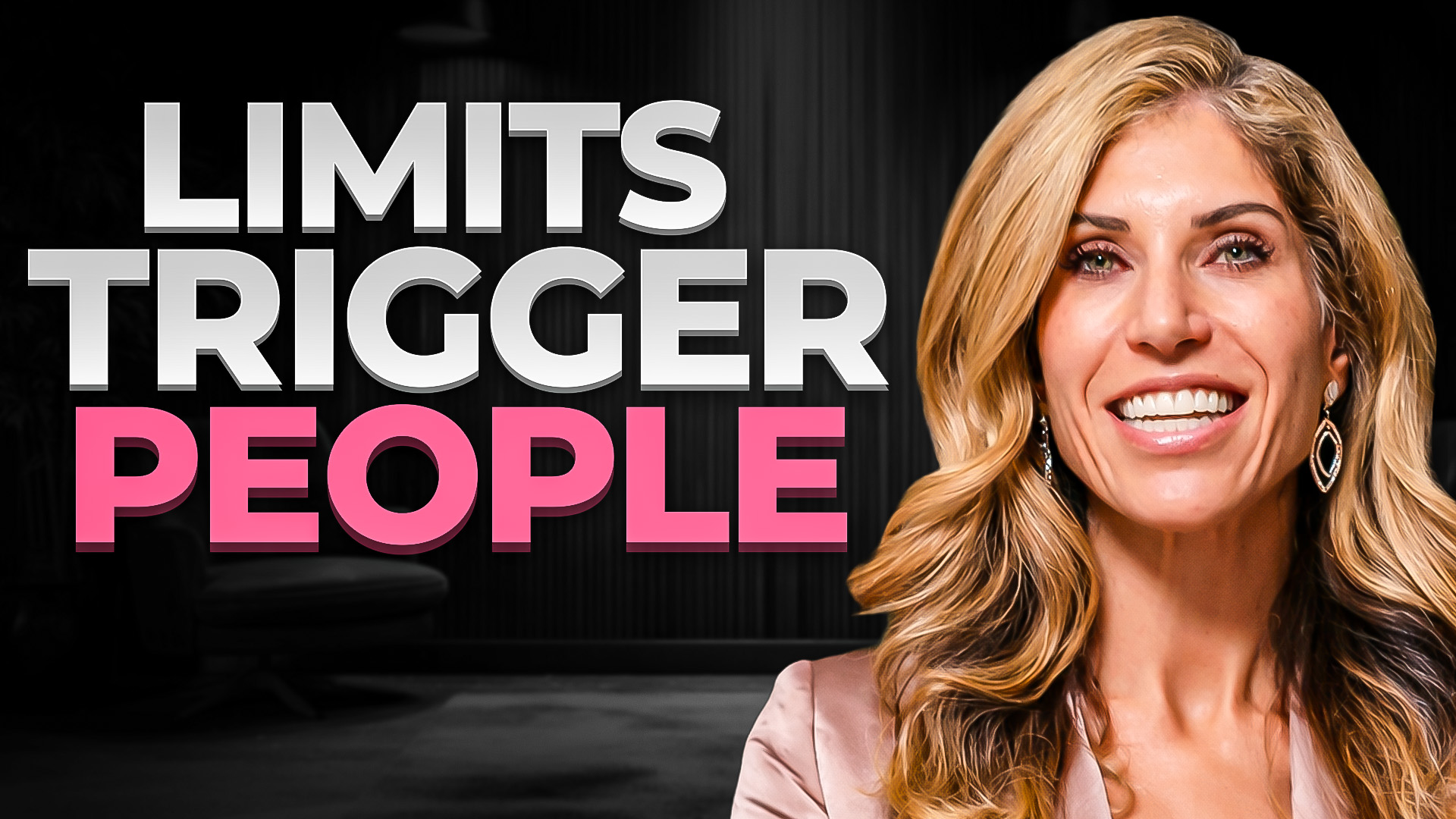
Can Setting Boundaries Reveal Emotional Wounds?
Boundaries Are the Glow Up You Didn’t Know You Needed
Boundaries sound easy until you actually try setting one. Suddenly your calm life feels like it is shaking a little. That is because boundaries sit right between chaos and peace. For many people, especially chronic people pleasers, saying no feels risky. Keeping everyone else comfortable once felt like survival. The problem is that peace built on self sacrifice rarely lasts.
A healthy boundary flips the focus back to self respect. It quietly says your time matters. Your energy matters. Your limits matter. It can feel awkward at first, but that discomfort usually means growth is happening. Stronger boundaries create stronger relationships and far more stable days.
When Stillness Brings Clarity
Sometimes the biggest lessons show up when life finally gets quiet. Breathwork opened the door to this conversation. In stillness, one word surfaced clearly. Boundaries.
Once that awareness hits, the next step becomes practical. Boundaries are not punishments for others. They protect your capacity. Evenings often become the hardest time for many people. After a full day of responsibilities, the nervous system needs space to reset.
Simple habits can create powerful emotional resets. Quiet time. Prayer. Reading. Soft lighting. A short walk. These are not luxuries. These are emotional maintenance tools. A calm parent handles stress better. A rested partner communicates with more patience. Setting this boundary can sound gentle and clear. Asking for thirty minutes to reset can change the entire tone of an evening.
Expect Pushback When Patterns Change
Changing boundaries often surprises the people around you. If someone is used to constant access to your attention, your new limits may feel uncomfortable to them. That reaction reveals old habits, not wrongdoing on your part.
Children often test boundaries the hardest. Some push until they trigger a reaction because it worked before. Staying calm while holding your limit helps break that cycle. It teaches that attention does not require chaos. It shows that connection can feel safe and steady.
Pairing boundaries with comfort helps ease the transition. Bedtime cuddles. Warm baths with magnesium. Dim lights. Slow breathing together. When children see calm regulation, they learn how to create it themselves.
Faith, Support, and Staying Grounded
Boundaries can trigger guilt or doubt. That is where grounding habits become powerful. Prayer, reflection, or stepping outside for fresh air can help reset your perspective. Calling someone who supports your growth also strengthens your confidence.
Healthy relationships reveal themselves when boundaries appear. When someone respects your limits, they show emotional maturity and care. That kind of respect builds deeper connection because it allows individuality without tension.
Letting Go of Guilt
Many people feel guilty for prioritizing rest or personal needs. Going to bed early. Leaving events sooner. Asking for quiet after a long day. These choices do not make you selfish. They help you show up stronger in every role you hold.
Multigenerational homes can make boundaries more complex. Different parenting styles and caregiving habits often clash. You can still respect family experience while protecting the routines that keep your household calm and steady. Starting boundaries later in life may create stronger resistance, but that pushback often means old patterns are fading.
Boundaries Create Safer Connections
Boundaries are not walls. They are invitations. They invite others to meet you in a place where respect and clarity live. Some people will grow with you. Others may need time to adjust.
Protecting your emotional health allows life to feel lighter. Clear limits reduce chaos. Consistent self care restores energy. Calm communication strengthens connection. Over time, boundaries stop feeling uncomfortable and start feeling freeing.
Sometimes the most loving thing you can say is a clear no. Sometimes the most powerful thing you can offer is a thoughtful yes.